
Pragmata Review: Connection, Sacrifice, and Learning to Live for Someone Else
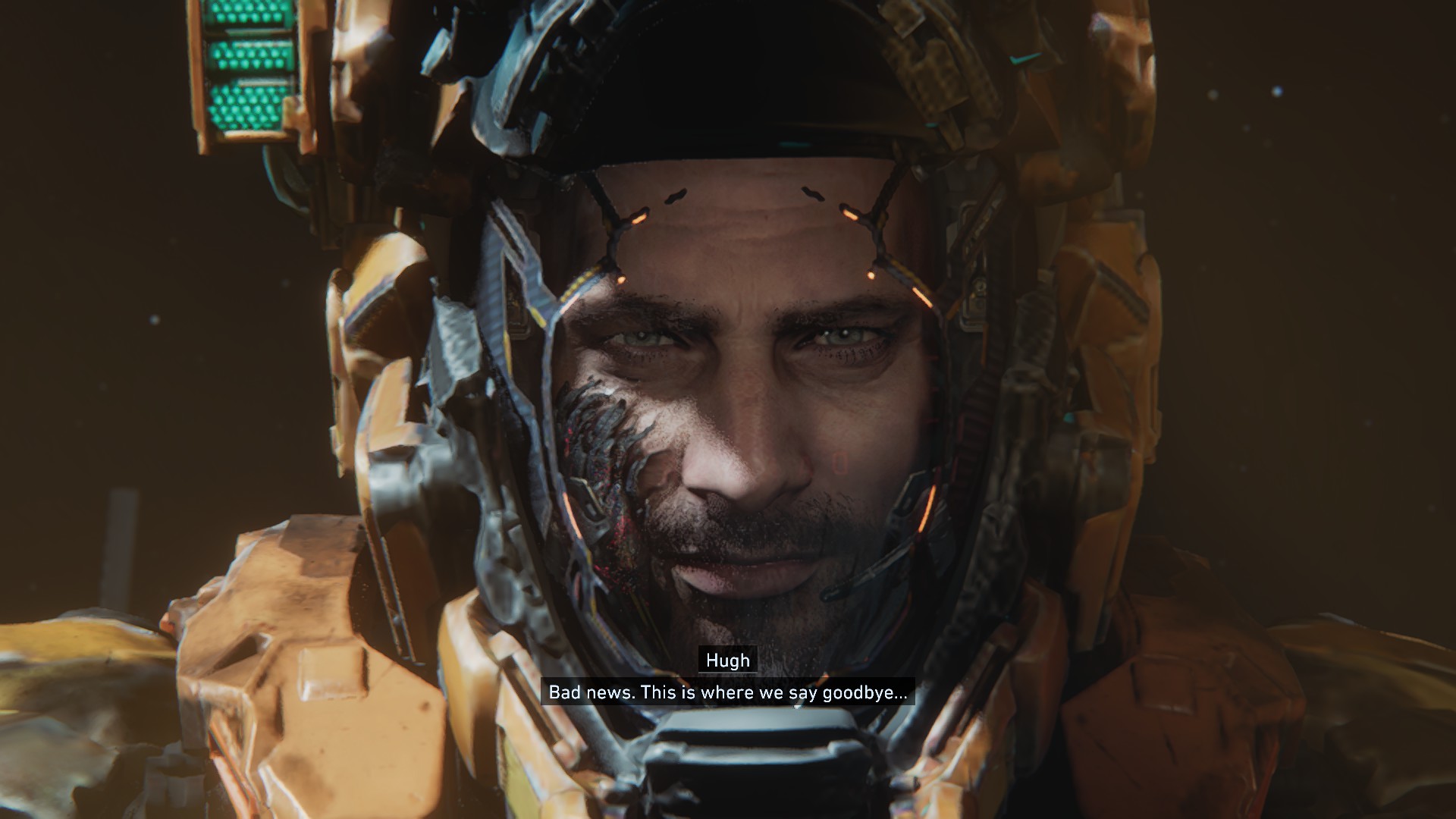
Developed by Capcom and released in April 2026, Pragmata is a third-person action-adventure game that follows space engineer Hugh Williams after a disaster on a moonbase leaves the rest of his team dead.
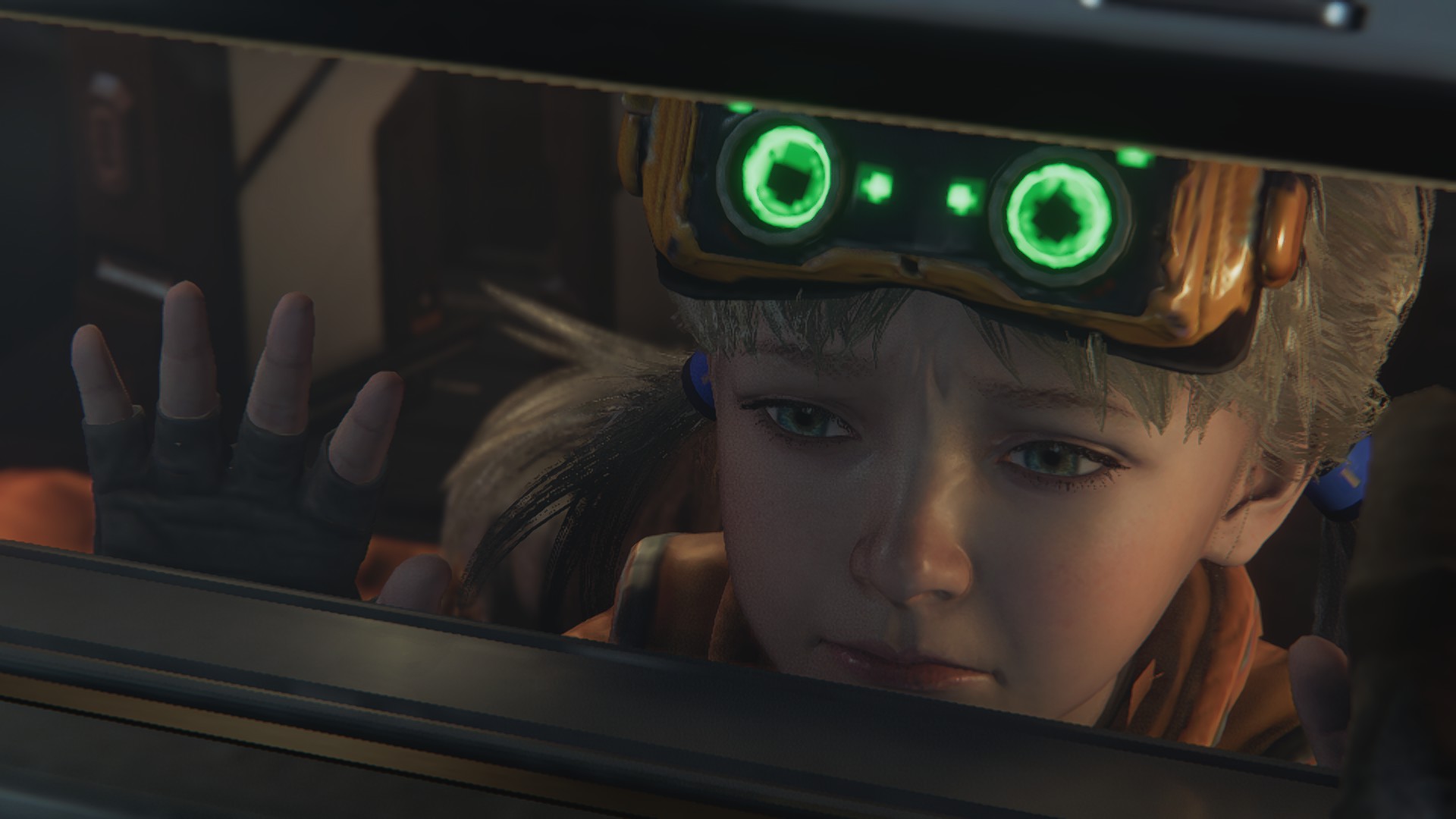
In the ensuing chaos, Hugh is saved by a mysterious girl whom he eventually names Diana. Stranded together, the two try to uncover what happened to the moonbase and, more importantly, find a way back to Earth.
Sounds simple enough. It isn’t.
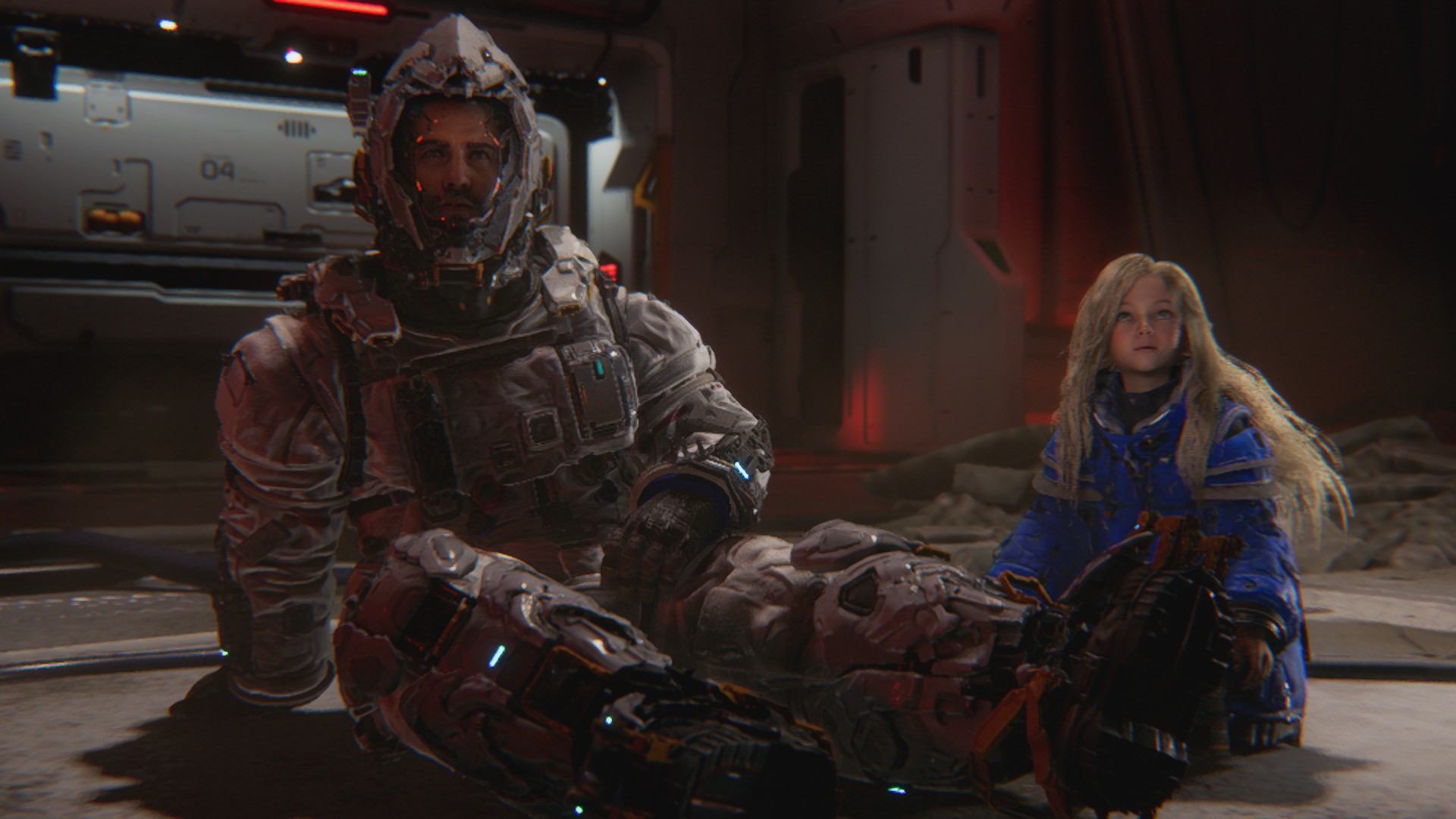
An Unlikely Father and Daughter
Based on everything I had seen online, I went into Pragmata expecting a heartwarming story about an unlikely adopted father and daughter trying to survive the dangers of AI in space.
And, well, that’s pretty much what I got. What I didn’t expect was how much fun Capcom would have getting us there.
At its core, Pragmata is still a third-person shooter. Hugh has access to different weapons and tools that help him survive the hostile machines scattered throughout the moonbase. But Diana changes how you approach almost every encounter.
Instead of simply shooting enemies until they die, you can use Diana to hack into them. This brings up a grid-based minigame that you have to navigate while Hugh is still moving around and trying not to get himself killed.
And this is so much fun.
You can take different paths through the grid depending on what you’re trying to accomplish, giving you different ways to weaken enemies and create openings for Hugh. It forces you to split your attention between what’s happening directly in front of you and the puzzle you’re trying to solve at the same time. The result is a mechanic that tests both problem-solving and reflexes.
There were moments when I was trying to figure out the best route through Diana’s hacking grid while simultaneously dodging whatever mechanical monstrosity was trying to turn Hugh into lunar paste. It sounds stressful because it is, but that’s also what makes it fun.
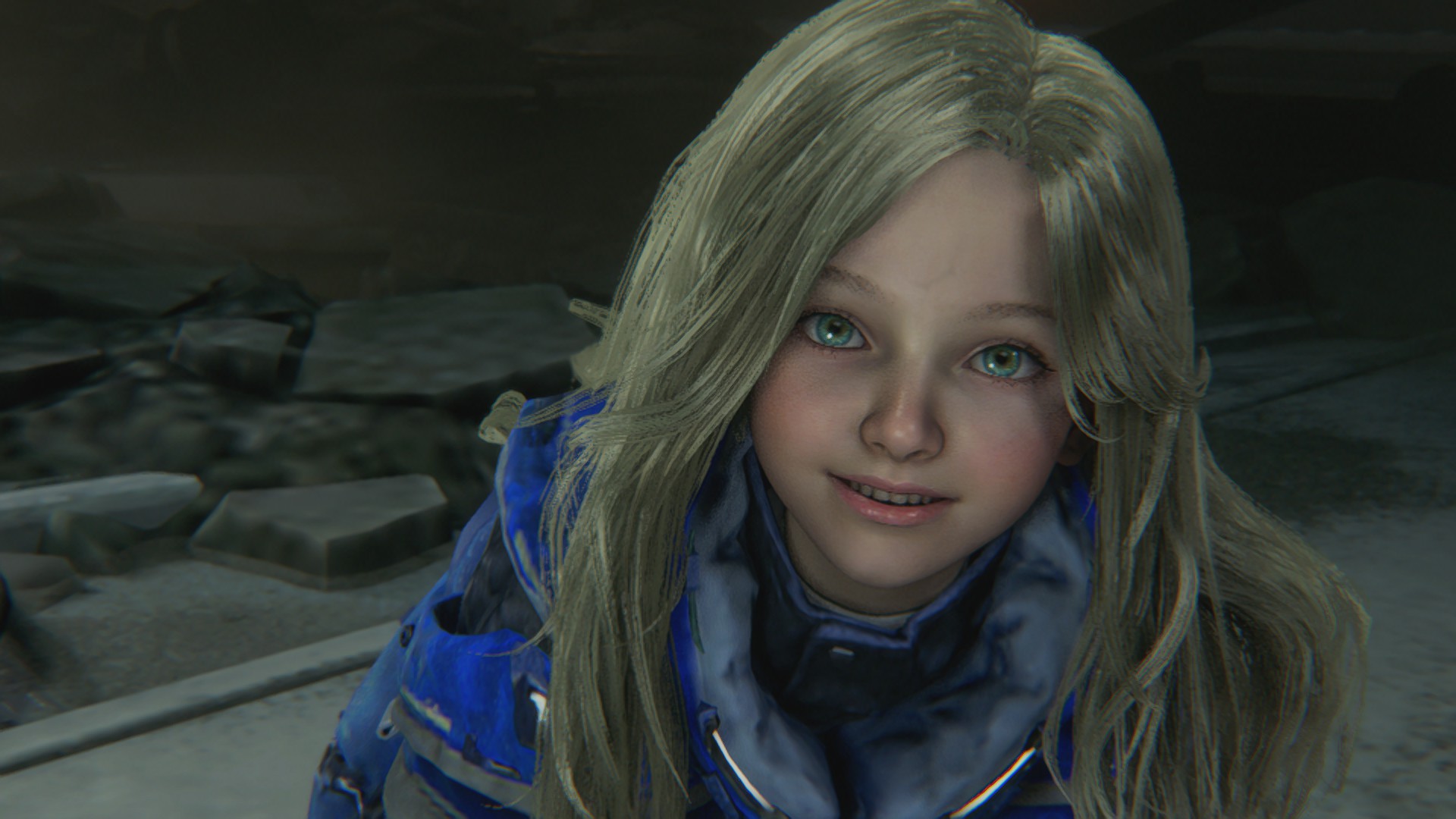
Two People Trying to Get Home
Outside combat, Pragmata gives you plenty of puzzles and opportunities to explore the moonbase. Hugh and Diana complement each other throughout these sections, with Hugh handling the physical obstacles while Diana interacts with the technology around them.
But me being me, as much as I enjoyed the gameplay, the thing that eventually mattered most was the story.
Hugh and Diana don’t start out as father and daughter. They’re just two people who happen to find each other after everything goes horribly wrong. But the longer they survive together, the more that relationship changes.
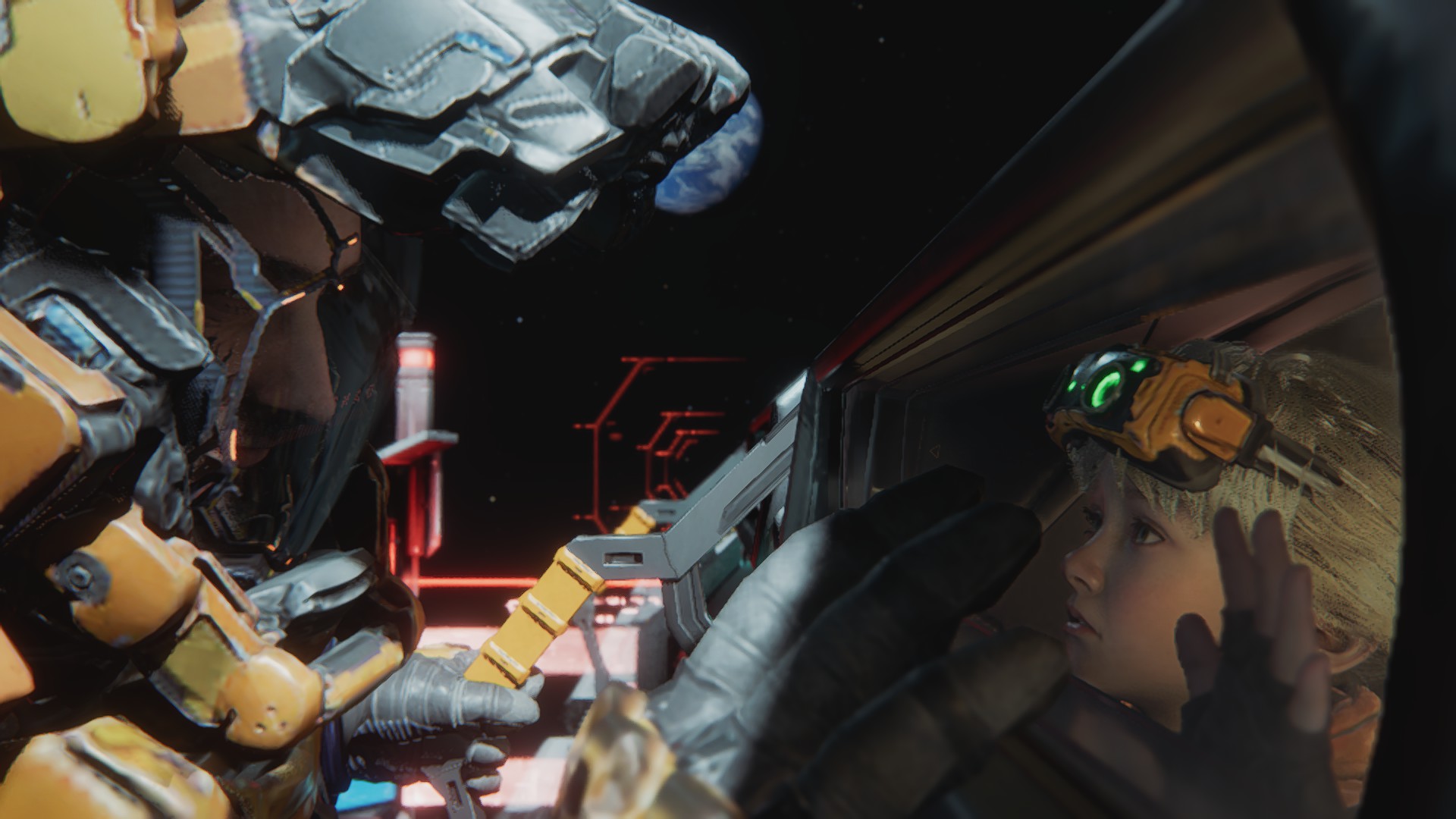
Hugh protects Diana. Diana protects Hugh. They learn from one another, and somewhere between all the hacking, shooting, exploring, and desperately trying to get home, they become something resembling a family.
I won’t spoil everything just yet, but I became very attached to them
My PC Was the Real Final Boss
If there’s one thing I didn’t like about my experience with Pragmata, apparently it was my PC.
I had optimization issues bad enough that I managed to record what was essentially a still screen instead of my actual playthrough, both live and on my PC. Hahaha. Pain.
Obviously, I can’t entirely blame the game for whatever war was happening between Pragmata and my computer. When it comes to the game itself, however, my biggest criticism is probably replayability.
Pragmata works wonderfully as a standalone experience. I finished the story, enjoyed what it gave me, and walked away satisfied. The problem is that I didn’t really feel any urge to immediately do it all again.
There’s additional content and another ending you can pursue after completing the game, but personally? I’ll watch it on YouTube.
And maybe that’s fine. Not every game needs to consume another 300 hours of my life. Sometimes a game can tell its story, leave an impression, and allow you to move on. Pragmata did exactly that.
The Price of Connection
Spoilers from here onward.
For me, Pragmata is ultimately about connection and the price we’re willing to pay to preserve it.
Hugh and Diana aren’t related. Hugh never really got the opportunity to become a father, and Diana certainly didn’t enter his life because he was looking for a daughter. They simply found each other, and sometimes that’s enough.
As the story progresses, Hugh’s objective gradually becomes about more than getting himself back to Earth. Diana needs to get there too.
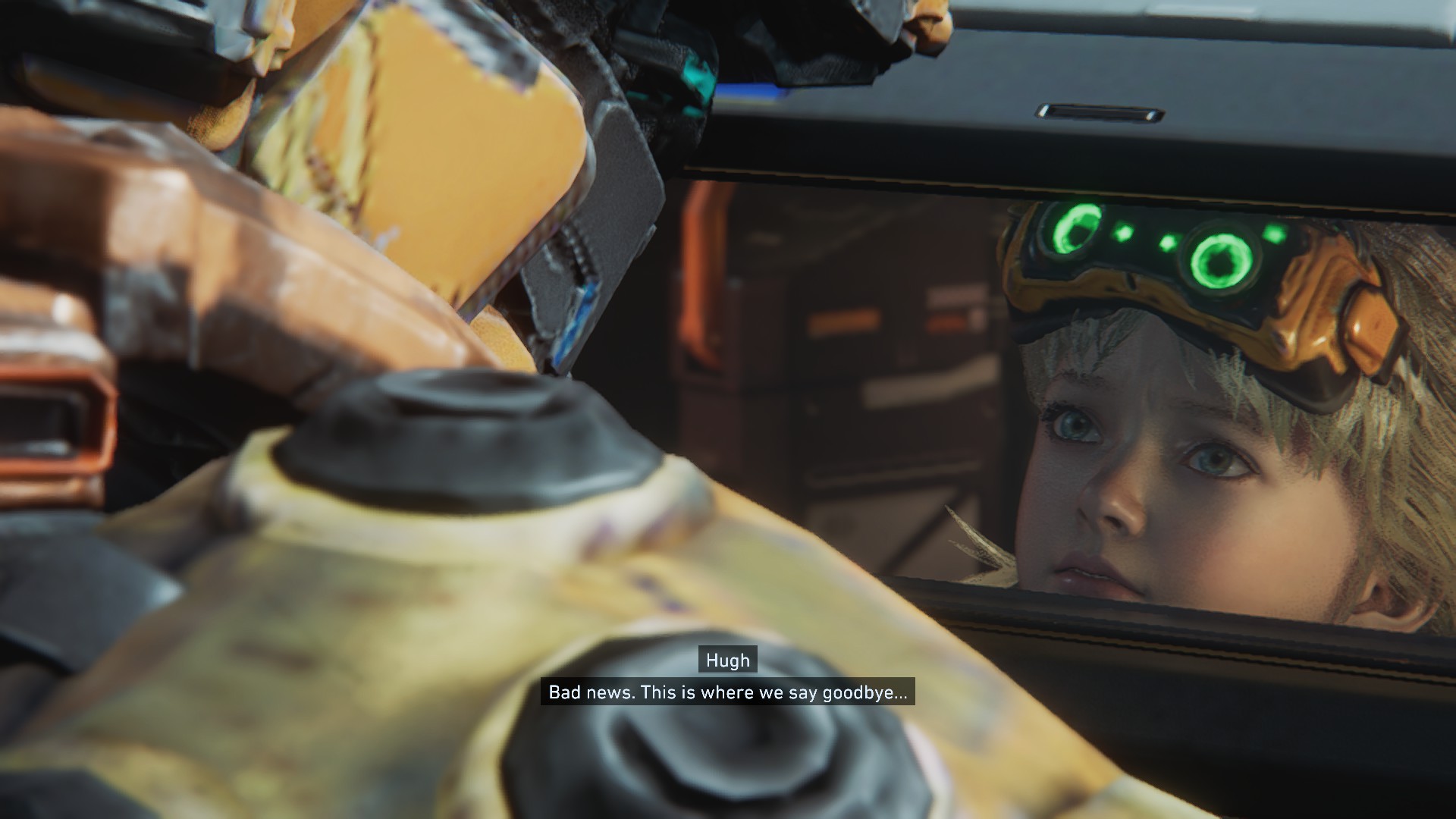
Eventually, Hugh makes the ultimate decision. Already infected by Dead Filament, Hugh stays behind so Diana can return to Earth. She gets the opportunity to experience the world he told her about while potentially exposing what happened on the moonbase and the role Delphi Corporation played in the disaster.
Hugh doesn’t get to go home, but Diana does. Apparently, that’s all it took to make a 37-year-old man cry over a video game.
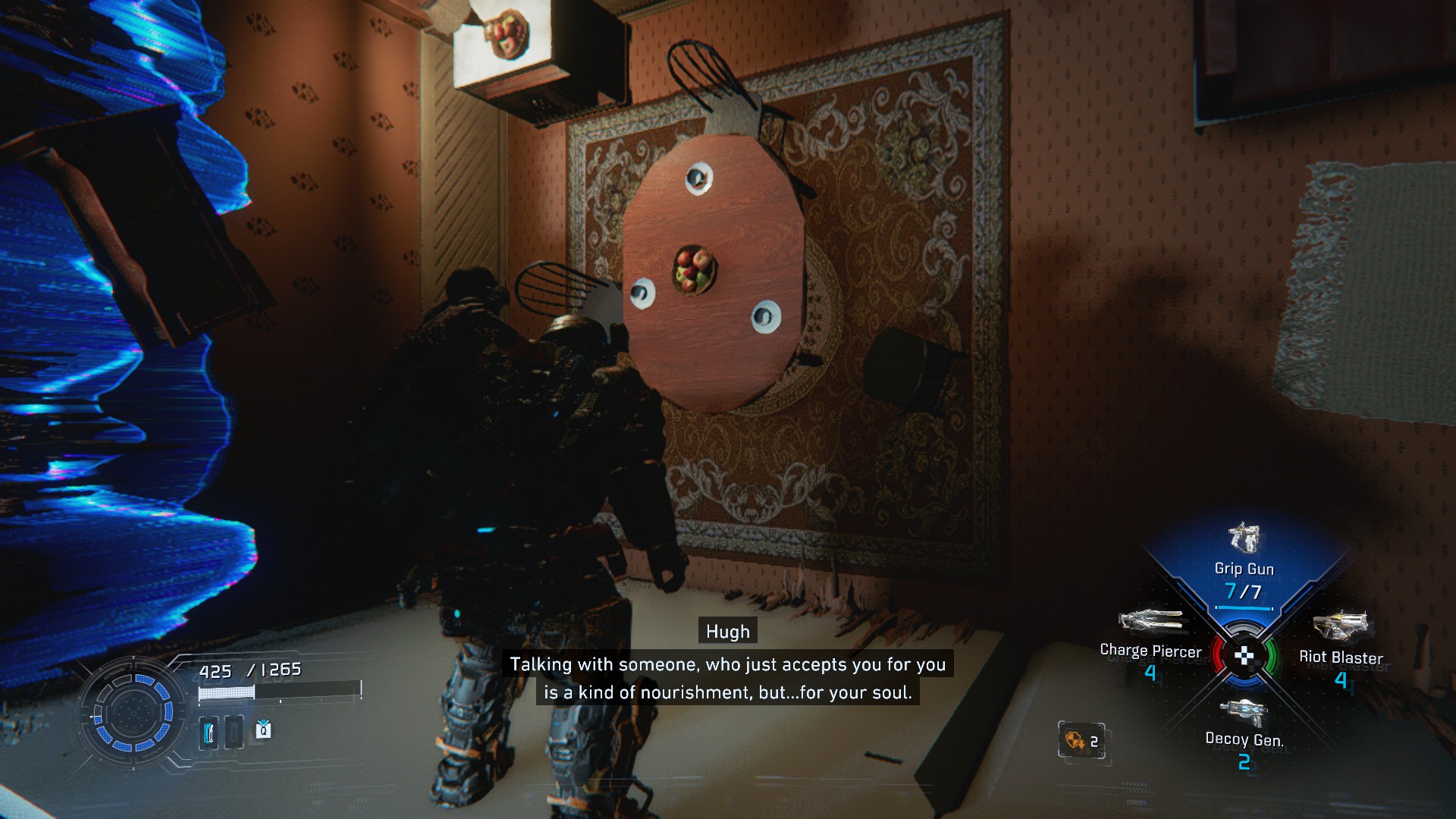
Why Pragmata Made Me Think About My Niece
Here’s where things got personal.
For a long time, the question of whether I would give my life for another person was always exactly that: a question. It’s easy to imagine ourselves making some heroic sacrifice when we’re sitting comfortably at home. Reality is different. Survival instinct exists for a reason, and I’m not going to pretend I’ve always been the kind of person who would immediately throw himself into danger for somebody else.
Then I thought about my niece, and suddenly there wasn’t a question anymore. If it genuinely came down to her life or mine, I’d choose her. Absolutely.
Watching Hugh and Diana made me think about my relationship with her and how quickly she’s growing up. She’s figuring things out on her own now. She’s slowly becoming her own person, and as the years go by, she’s going to need the adults around her differently.
I still want to be one of those people. I want to be around to guide her when she needs it, set an example, do good things, and be a man who keeps his word.
Maybe that’s what Hugh eventually realizes about Diana. You don’t necessarily need biology to reach the point where another person’s future becomes more important to you than your own.
Pragmata starts with two people trying to get home. For Hugh, it ends with realizing that Diana getting home is enough.
But Sacrifice Isn’t Everything
There was another thought that stayed with me after the tears and sniffling stopped. If I want to be someone my niece can look up to, I also have to learn how to be good to myself.
Hugh had a life before Diana. He explored worlds, became an engineer, followed the path his parents wanted for him, but also lived, experienced things, made choices, and became his own person. By the time Diana entered his life, there was already a Hugh Williams there for her to meet.
I think that’s something worth remembering because being there for the people you love doesn’t necessarily mean erasing yourself for them.
If I want to be around long enough to watch my niece grow up, guide her when she needs me, and hopefully set a decent example, then I have a responsibility to take care of myself too. I need to build a life worth living rather than treating my own existence purely as something to be spent on everyone else.
Hugh’s final act may have been one of sacrifice, but his entire life wasn’t. Maybe mine shouldn’t be either.
Who Should Play Pragmata?
If you’re looking for a different take on third-person shooters, Pragmata is definitely worth checking out.
Its combination of real-time combat and hacking gives it an identity of its own. Instead of simply pointing, shooting, dodging, and repeating, you’re constantly balancing Hugh’s physical abilities with Diana’s technological ones.
It’s also an easy recommendation if you’re into science fiction and emotional, character-driven stories. Underneath all the AI, moonbases, robots, guns, and futuristic technology, Pragmata has something surprisingly human at its center: two people who need each other.
Is Pragmata Sulit?
I bought Pragmata at full price. Do I regret it? No. Would I recommend that you do the same? Also no.
I loved the combat mechanics, enjoyed exploring its sci-fi world, and Hugh and Diana’s story alone made the experience worthwhile for me. But considering that I didn’t feel much desire to replay it after finishing the story, the practical answer is simple: wait for a Steam sale.
At around half price? Absolutely. Get it.
Because Pragmata gave me something more valuable than another game to replay. It made me think about someone I love, the kind of person I want to be for her, and the kind of person I still need to learn to be for myself.
And sometimes, one playthrough is enough.

