
Ghost of Tsushima Review: A Story of Honor, Sacrifice, and Responsibility
Developed by Sucker Punch, Ghost of Tsushima is a 2020 action-adventure game where you play as Jin Sakai, a samurai determined to stop Mongol invaders from decimating his home. Through following several tales across the island and by vanquishing bandits and invaders alike, Jin acquires deadly weapons, forges better armors and learns new skills that help him become the Ghost of Tsushima.
A Beautiful Samurai Story
I’m not going to pretend that I’ve watched Akira Kurosawa’s films and say that I expected the same vibe, but I did expect to swing a katana against both groups and individual enemies via a duel. And with how Ghost of Tsushima presented us charging against enemy invaders on a supposed final stand as an intro, my mouth was left wide open.
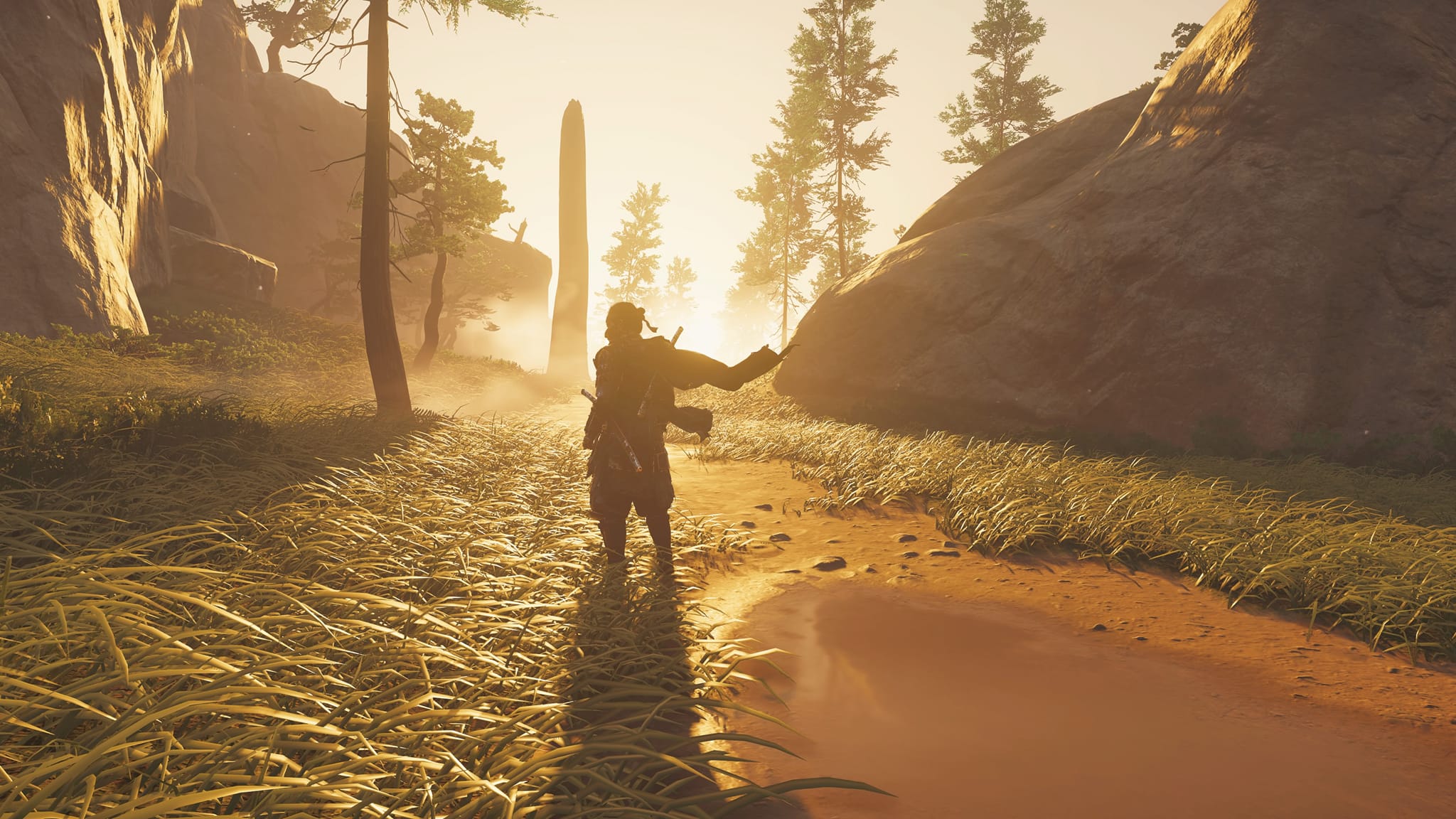
From the trailers, I expected this game to be mostly a hack-and-slash but after travelling the land for a few hours and after many showdowns, I realized that it’s more than that. Combat mechanics allow you to parry, perfectly evade and/ or counter your opponents after they swing. The stealth aspects of the game was also exhilarating, allowing me to both sneak around enemy patrols or sabotage whole mongol outposts.
If I’m going to compare this to any other game, I’d say it was a lot like Far Cry (3 through 6, depends on you really, their core mechanics are very much the same for me), although definitely much more beautiful and, relatively, with better stories.
How The Ghost Turns Into Legend
One of the most remarkable things about Ghost of Tsushima is how beautiful everything is, even in the face of a macabre setting. Early on, after gearing up and setting out to save Tsushima, you’re given a defining moment: riding your horse through fields of silver grass as powerful Japanese instruments swell in the background. It doesn’t feel quiet. It feels like the birth of a legend. Then the title appears, and you’re left with a sense of openness. It feels like every moment in the game could be a snapshot. A constant “Kodak moment.”
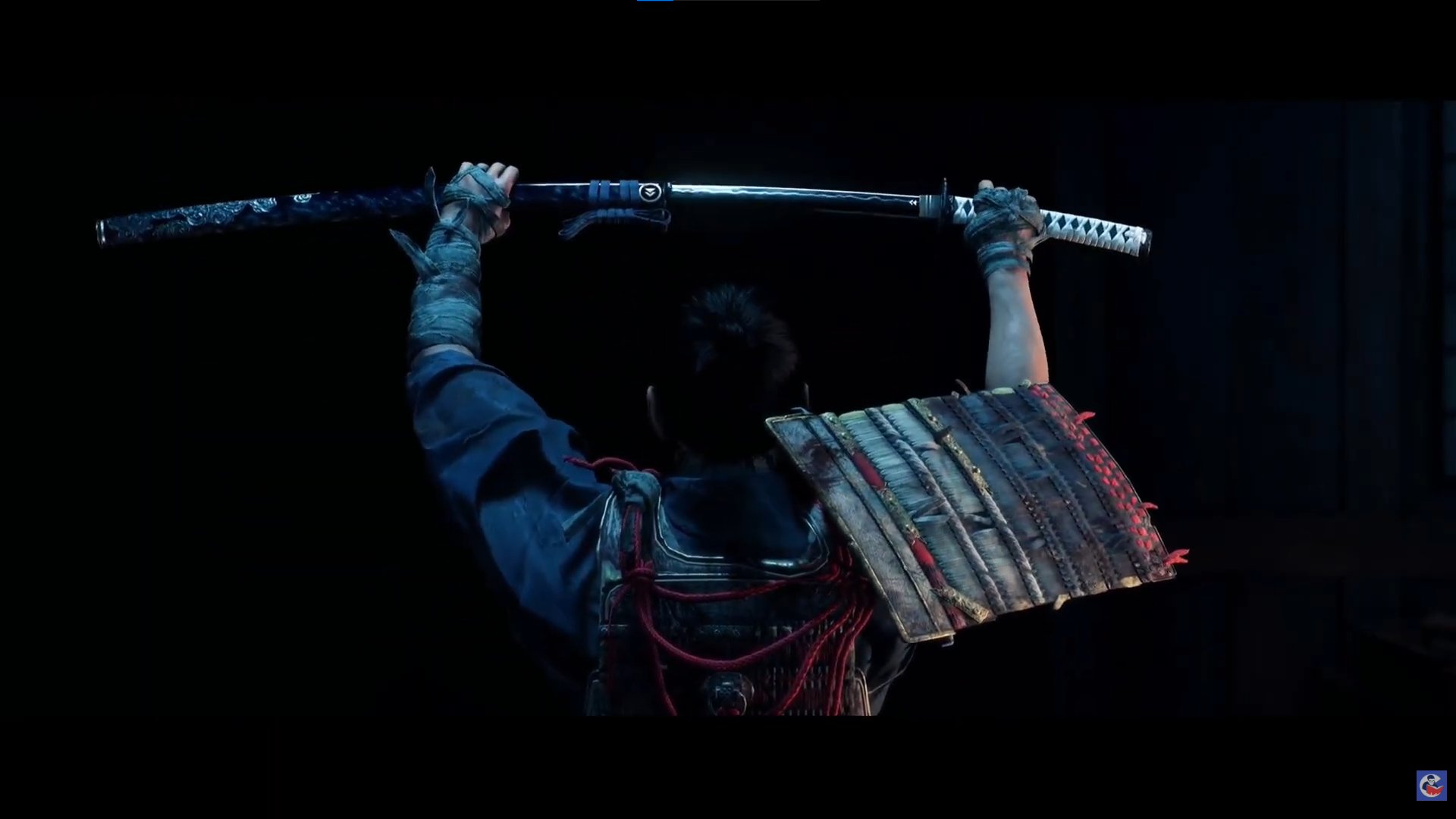
The Tales, which serve as side quests for key characters, are particularly memorable. Each one carries its own theme and emotional weight. Lady Masako’s story centers on revenge and grief. Norio’s explores how suffering shapes people. Kenji’s, in contrast, brings a lighter tone, showing his attempts to be better despite his flaws. These stories are elevated by strong voice acting and thoughtful presentation.
Combat feels deliberate and rewarding. Parrying is satisfying and feeds into the resolve system, which allows for healing and special techniques. Progression through better weapons, armor, and abilities adds depth without overcomplicating things.
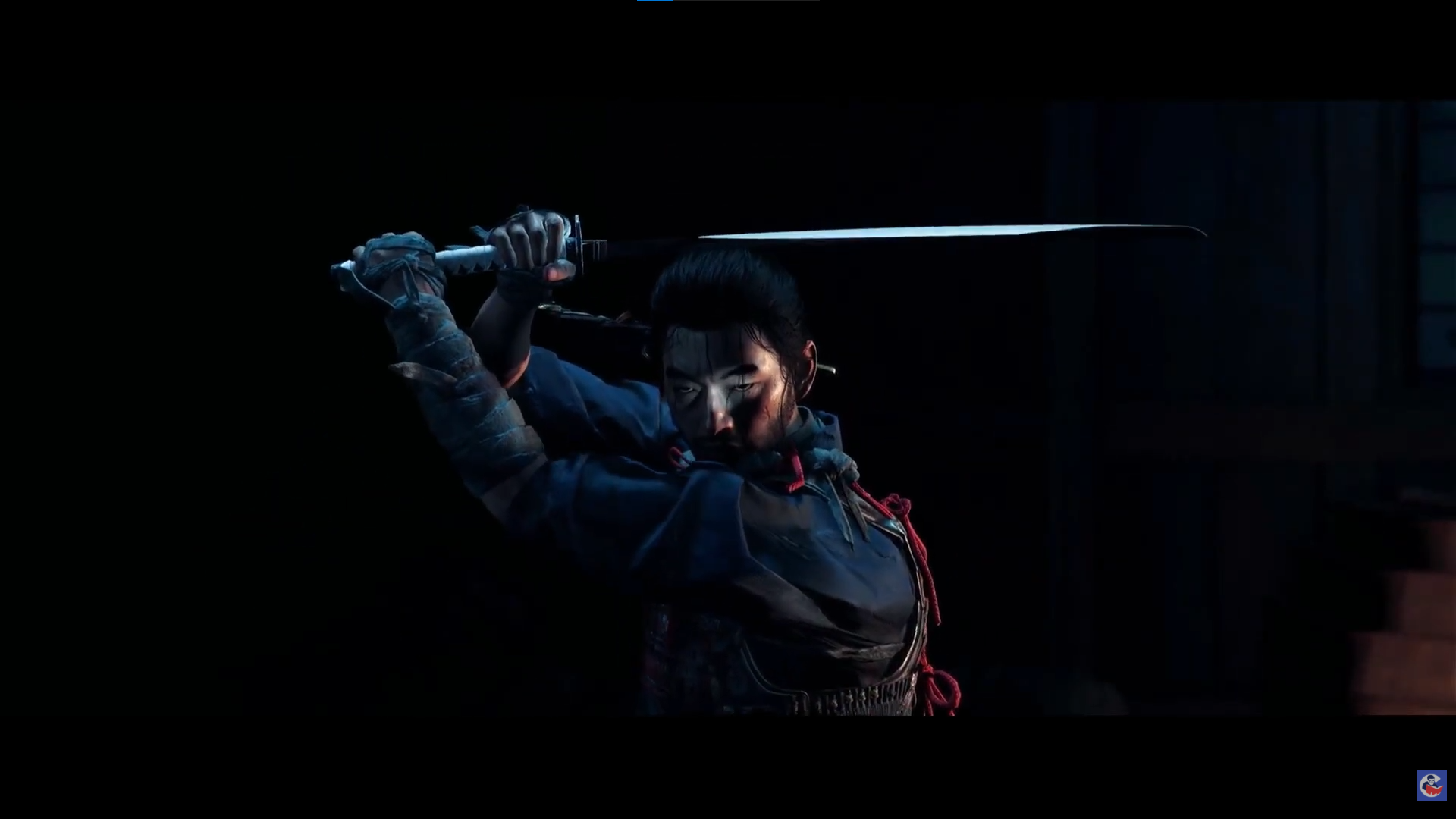
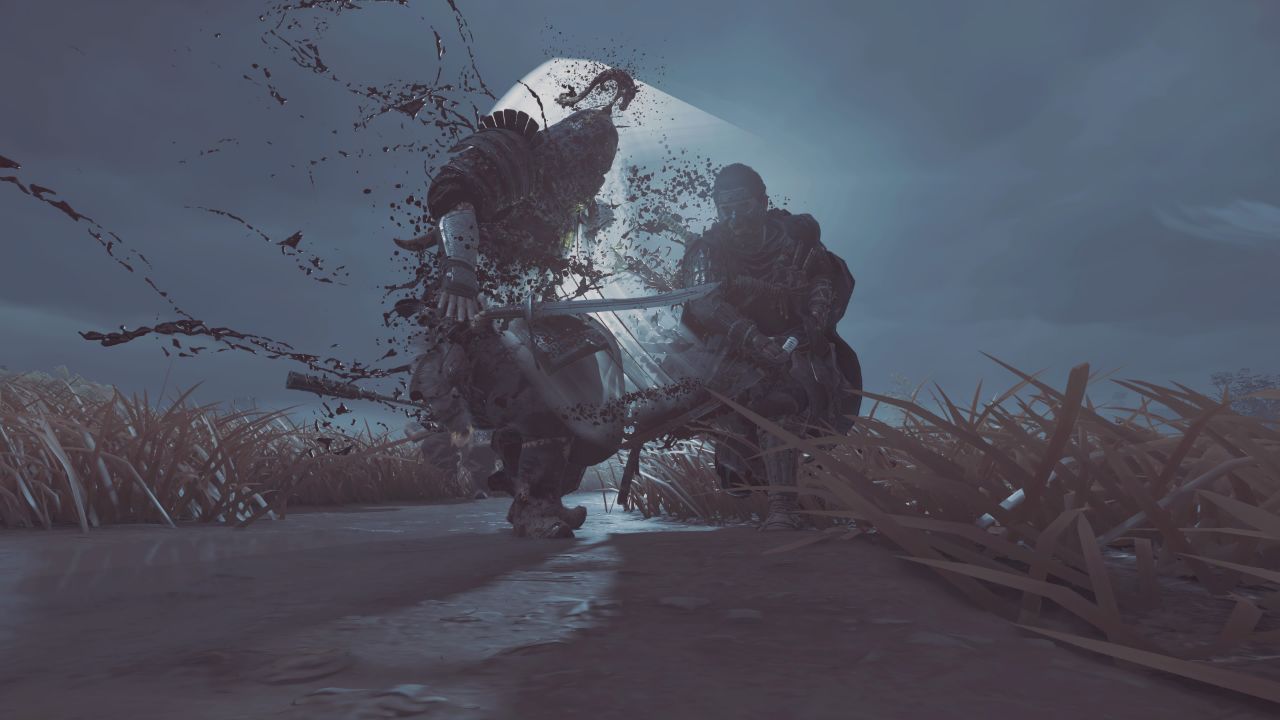
You’re often given a choice in how you approach encounters. The “Ghost” path leans into stealth, using tools like kunai and smoke bombs to quietly eliminate enemies. It’s efficient and, in many cases, easier. On the other hand, you can choose to fight with honor, initiating showdowns that play out like cinematic duels before transitioning into full combat.
The game’s sound design ties everything together. The ambient music and environmental audio enhance immersion, making the island feel alive. There’s a reason creative director Jason Connell and game director Nate Fox were recognized as tourism ambassadors by the 2021 mayor of Tsushima, Hiroki Hitakatsu. And that’s because of how well they crafted this beautiful video game into something that helps players sort of experience Japan in a way.
The Ghost, The Legend
There’s a lot to say about how beautiful the game is and how well the story ties everything together into a cohesive experience. But if there’s one thing that truly stands out, it’s the man, the Ghost, the legend himself: Jin Sakai.
When faced with an enemy that is barbaric and merciless, it’s easy to believe that honor and tradition are enough. Especially if you’re a samurai, trained, armed, and raised to fight in open combat.
But what if you’re not?
What if you’re a peasant with no training, no armor, no sword? Do you face them head-on and hope for the best? Or do you strike from the shadows and survive?
Ghost of Tsushima explores how Jin chooses to protect the people of Tsushima, even if it means abandoning the code of honor taught to him by his uncle. That code, rooted in facing enemies directly and rejecting underhanded tactics, proves to be both noble and limiting.
This dogmatic belief, and perhaps a little lack of strategy and unwillingness to adapt, is what ultimately lead to the defeat of their samurai army, making Tsushima vulnerable to its Mongol invaders.
Jin’s transformation into the Ghost is where the game truly finds its identity. By letting go of what he was taught, he becomes something else entirely. A symbol of fear to his enemies and hope to his people.
But that transformation comes at a cost.
In saving Tsushima, Jin loses his title, his home, and ultimately becomes an outcast. A criminal in the very land he fought to protect.
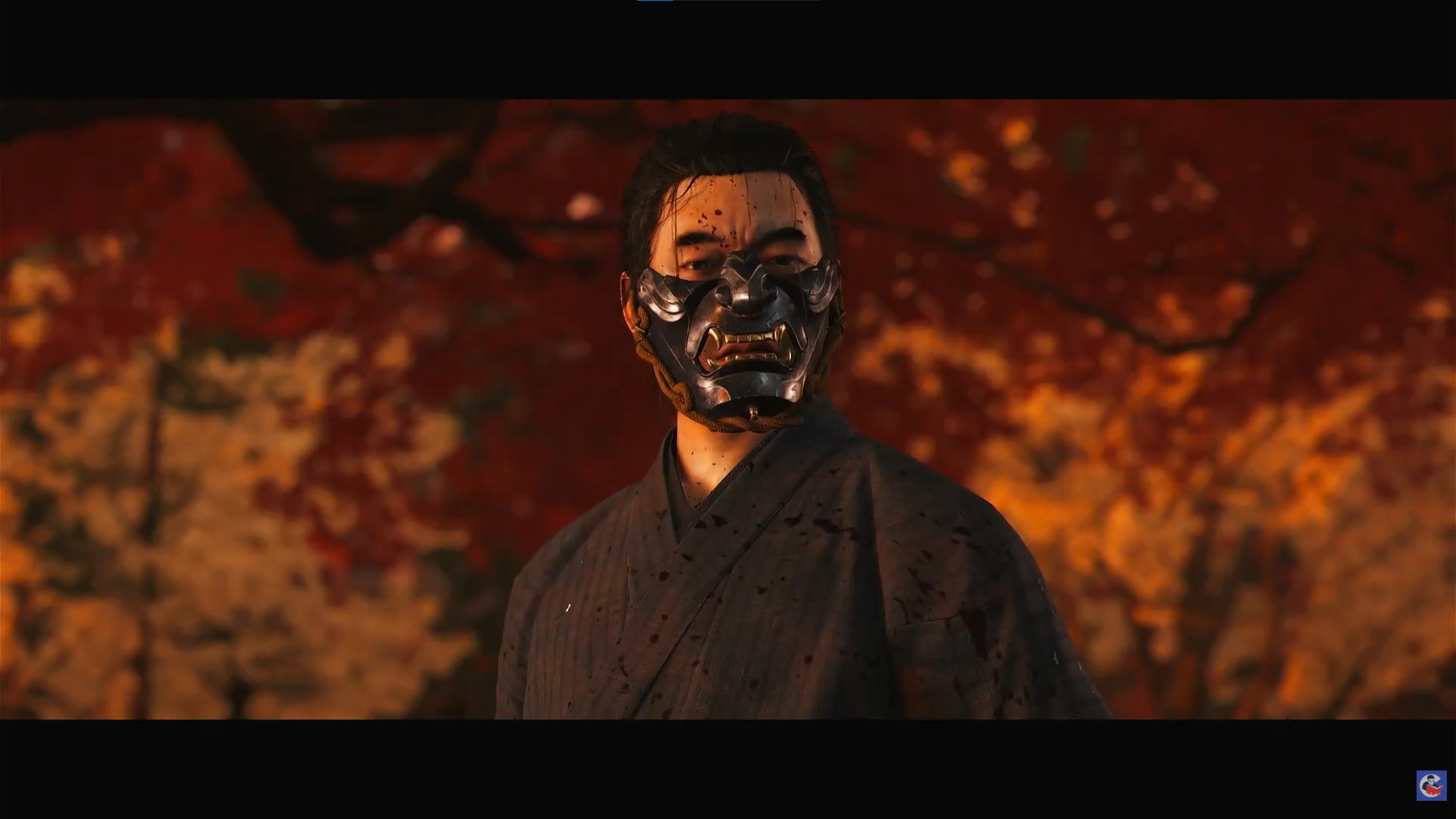
Another day, another Fox den
One of the main friction points is the sheer amount of content.
On paper, that’s a good thing. There’s always something to do, whether it’s chasing platinum or simply enjoying the world. But with limited time, especially as you get older, some activities start to feel repetitive. Chasing foxes to upgrade charms, for example, can wear thin after a while.
That said, the repetition is softened by how beautiful the world is. The scenery, the atmosphere, and even some of the lighter moments help keep the experience engaging. If only we didn’t see Jin’s backside as much when he relaxes in a nearby onsen.
There are also a few side quests that feel like they were written with modern sensibilities in mind. Representation itself isn’t the issue. It’s important. But in some cases, it feels less organically integrated into the world, which can slightly break immersion.
Tradition vs Responsibility
For me, Ghost of Tsushima is about Jin Sakai’s inner conflict.
Is he willing to abandon his identity, the life he deserves, for the greater good, the safety of the people of Tsushima?
This conflict is handled beautifully. It’s why my heart bleeds for Jin. Strip away the swords and the war, and what remains is something deeply human. The desire to be someone others can be proud of, and the pain of realizing that doing the right thing might take that away.
All his life, Jin wanted to be a son worthy of pride. He found that in his uncle, who was ready to adopt him. But when Tsushima needed saving, that path was no longer enough. Becoming the Ghost meant giving up that identity, letting go of the life he was meant to inherit.
That’s the price.
And it’s a price that feels familiar.
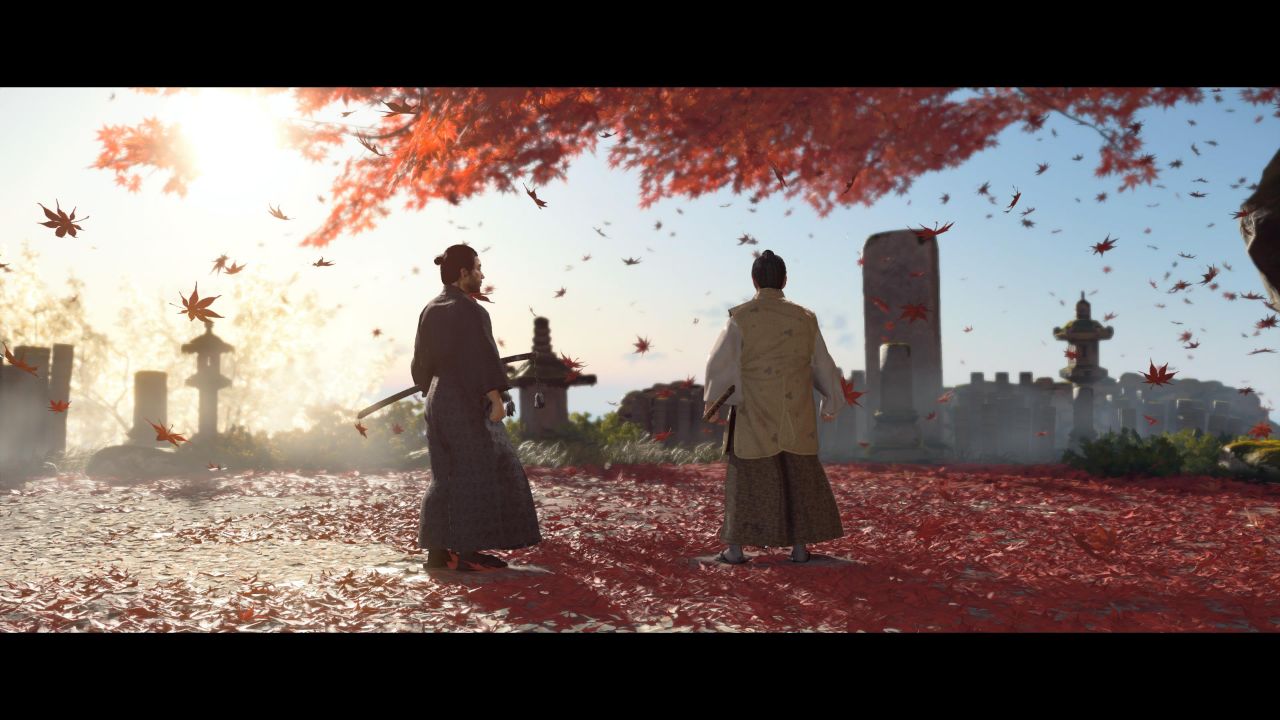
Living in a third-world country, where one hospitalization can push you to the brink of poverty, you learn quickly that life isn’t always about what you want. It’s about what needs to be done.
There’s always that tension. Between doing what you’ve always dreamed of and making sure your family is taken care of. If you’re someone who provides, you’ve felt it too.
A part of me wants to go all in on content creation. But that’s not the responsible choice right now. My family depends on me, and that reality outweighs everything else.
So like Jin, you choose.
Not because it’s easy. Not because it’s fair. But because someone has to.
Ghost of Tsushima captures that perfectly.
This mess may not be your fault, but it is your responsibility.
Walk away, and you’re a coward. Stay, and you sacrifice everything that was meant to be yours.
And if you ask me, choosing the latter is difficult, but worth it.
Not because it feels good.
But because it’s the right thing to do.
The Final Choice
If you’re still reading this, you probably already know this part is filled with spoilers. And if not, I’m sorry. But this is the most beautiful moment in the game for me.
After driving the Mongols away, Jin reunites with his uncle, Shimura. What should have been a moment of peace turns into something else entirely. Shimura tells Jin that he must kill him, as punishment for his defiance.
“You have no honor,” he says, with pain in his eyes.
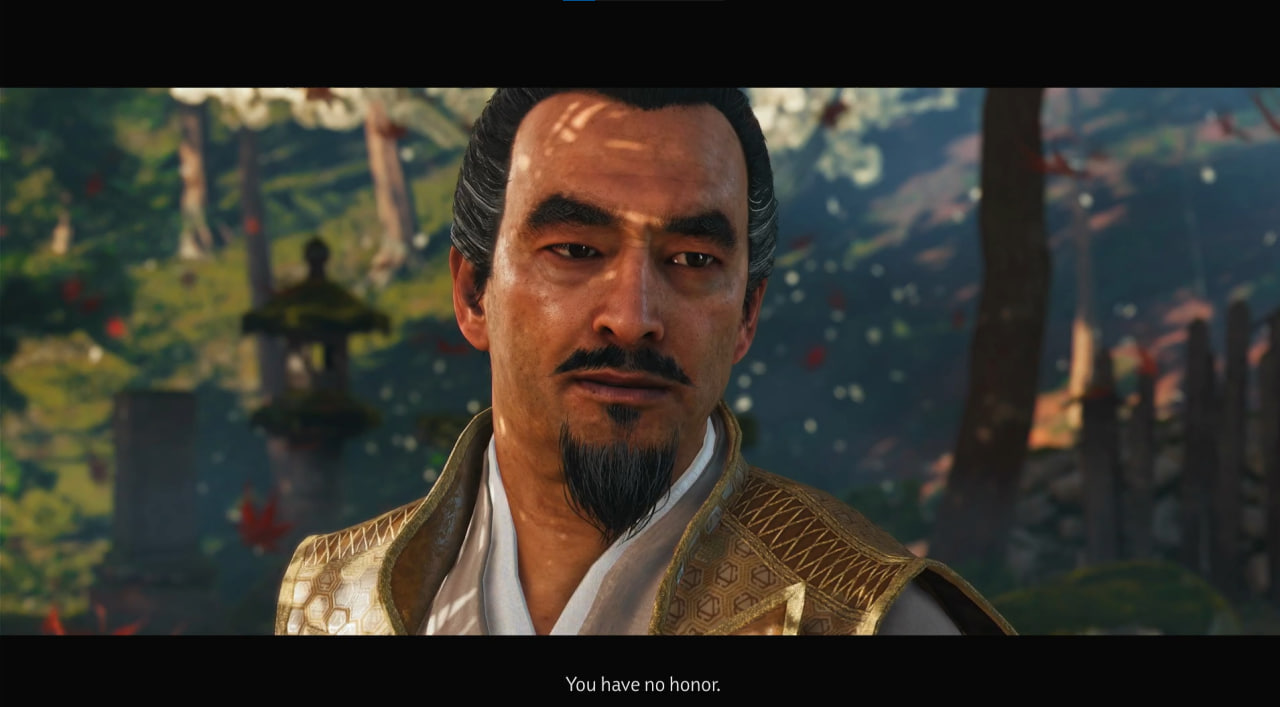
“And you are a slave to it,” Jin replies.
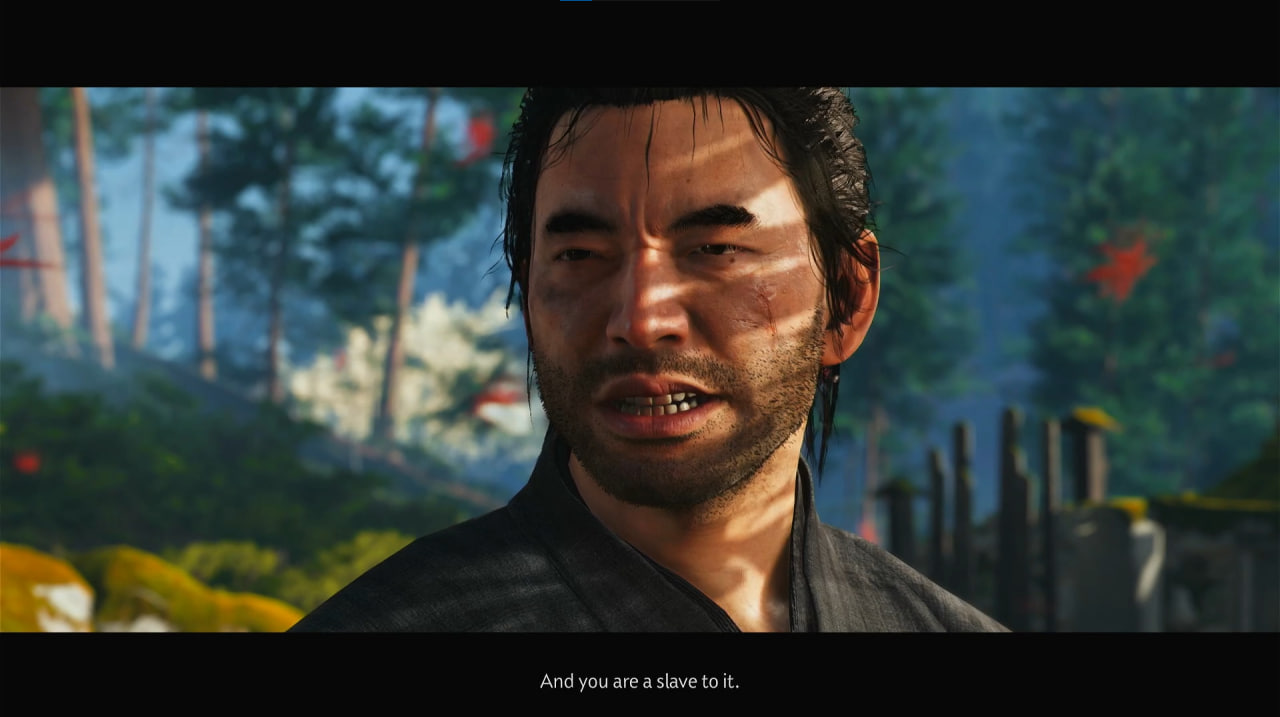
After composing a final haiku, they prepare for their last duel.
The fight isn’t just physical. It’s personal. Every strike carries the weight of their choices. Of what they’ve lost. Of what they chose to become.
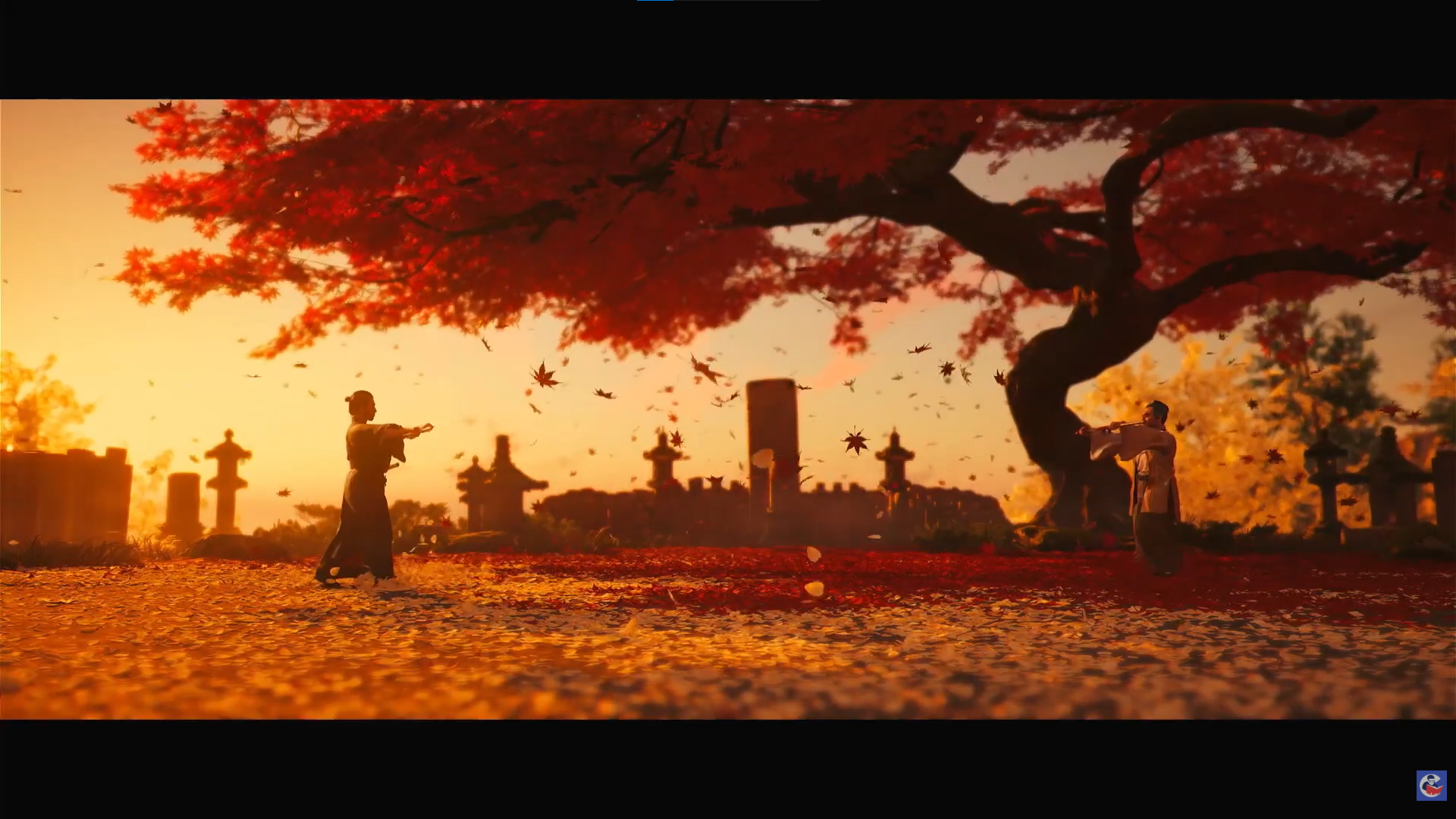
In the end, Jin wins. And then the game asks you to decide.
Give Shimura an honorable death. Or spare him.
For me, it was an easy choice.
Jin may have abandoned his honor, but he didn’t abandon who Shimura was to him. In sparing his uncle, he chooses something else. Not honor. Not tradition.
But love.
If You Love Samurai Duels And Tragic Heroes
Ghost of Tsushima is a game I’d say almost everyone should experience, especially for how beautifully its story is told.
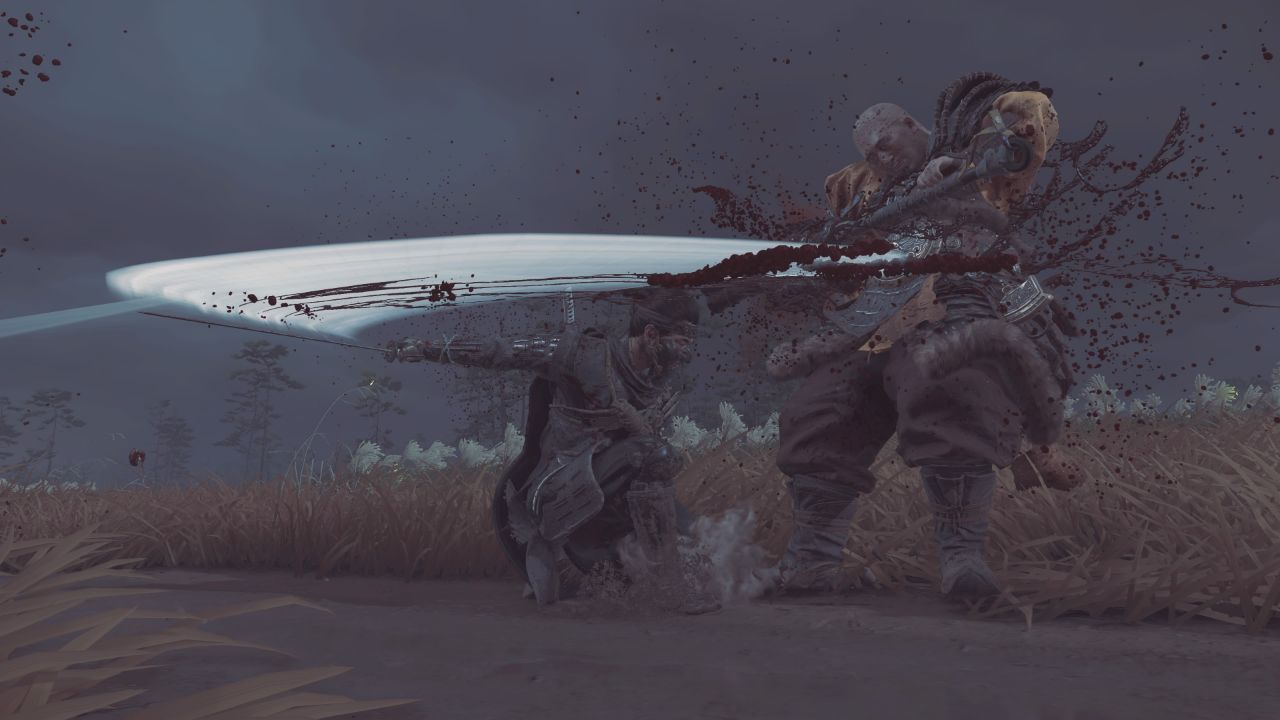
If you’re into Japanese settings, samurai, katanas, and ninjas, this will immediately click with you.
Jokes aside, despite some repetitive side activities, it’s still a game worth picking up. The overall experience, from its world to its storytelling, makes it something special.
Is It Sulit?
In today’s economy, everything feels expensive, so this really comes down to two things: the experience it offers and the practical price you pay for it.
In terms of experience, yes, Ghost of Tsushima is absolutely sulit. The story, the world, and the themes it explores make it worth playing.
However, from a practical standpoint, the price can be steep. On Steam, it’s around ₱2,990, and on PlayStation Network, it goes up to $69.99. Given that the game has been out for several years, it’s better to wait for a sale or price drop before picking it up.

