The Siege of Iyesgard: A D&D Campaign Recap and Near-TPK
Two of my players were already unconscious before initiative was even rolled.
That’s how we opened the Siege of Iyesgard, session twelve of my homebrew campaign, and easily the best battle I’ve ever run at my table. Not because it was the deadliest, though it nearly was. Not because the mechanics were clever, though a few moments genuinely surprised me as the DM. It was the best because everyone at that table had a part to play, because the fight let itself be ridiculous and heartbreaking in the same breath, and because when things went sideways, my players clawed their way out with creativity, sacrifice, and a fair amount of luck instead of a clean escape route.
A City Already on Fire
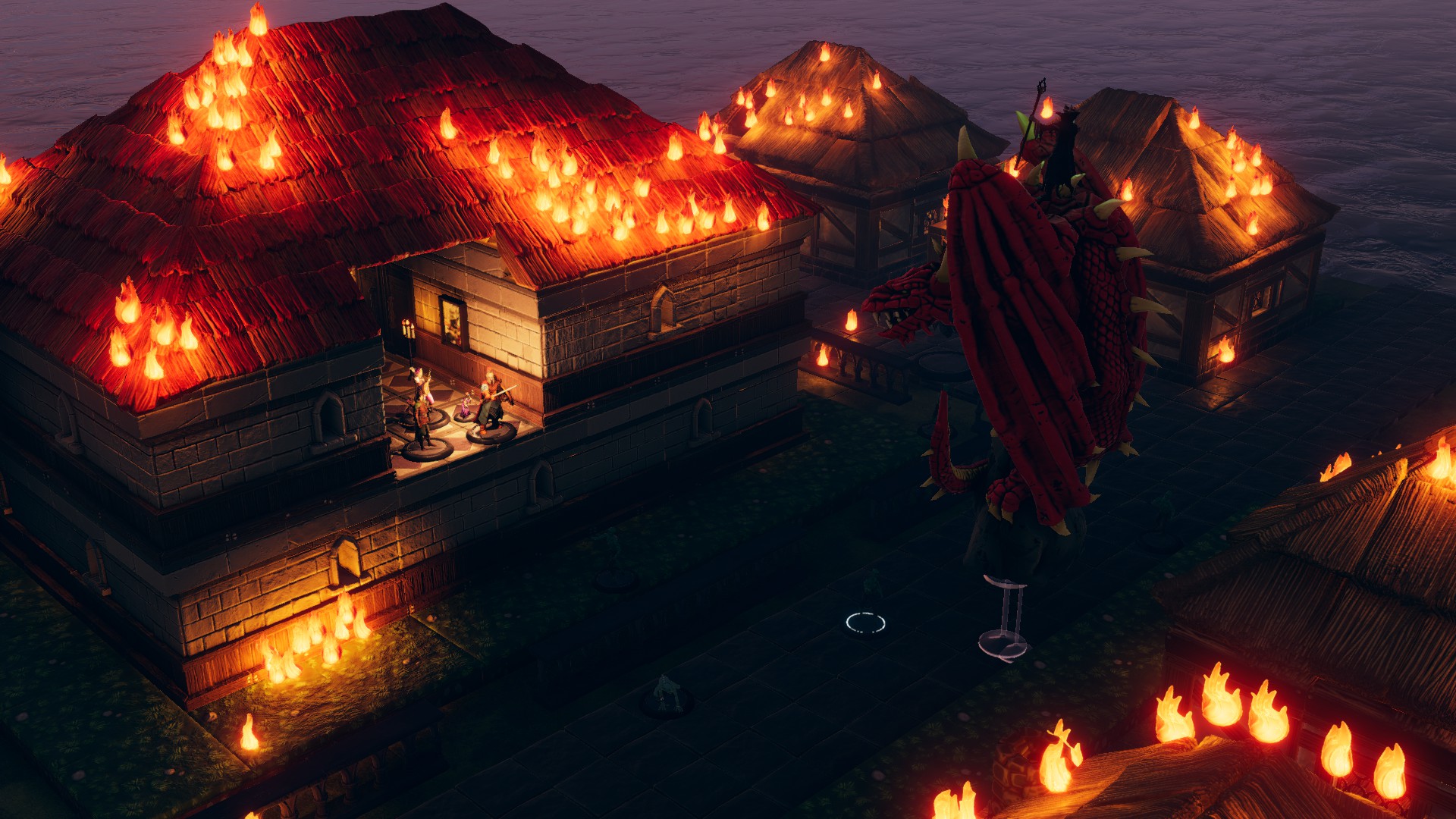
My party had just climbed out of a dungeon beneath the Zardias mansion, having defeated a beholder built from the stitched-together corpses of a serial killer’s victims. They’d barely caught their breath before finding Iyesgard itself under siege. A skeletal dragon circled overhead. Three hulking abominations, stitched together like their beholder cousin, were tearing the mansion apart wall by wall. Ghouls, skeletons, and zombies were loose in the streets, and the city guard was already stretched thin trying to contain them.
And there, just a few feet from the party, stood Lord Vilhem Zardias and Lady Ulrech, mounted on skeletal wyverns, with the dracolich’s rider, a high priest named Uldan, close enough to end the fight before it started. Two death-gaze attacks had already dropped two of my players before anyone acted.
I gave them a choice: unsheathe every weapon and spell they had, or attempt a tactical retreat. They chose to fight. I’m still not sure it was the smart choice. It was absolutely the right one.
Rule of Cool First, Rules Second
I’ll be honest, I made mistakes running this fight. A few rulings I’d take back if I could, a couple of DCs I fudged on the fly that I probably shouldn’t have. But I’ve always run my table on one core principle: rule of cool comes before rules as written. If a player wants to do something ridiculous and it makes the table light up, I will bend before I will say no. This session is the best proof I have that the philosophy works.
Everyone Got Their Moment
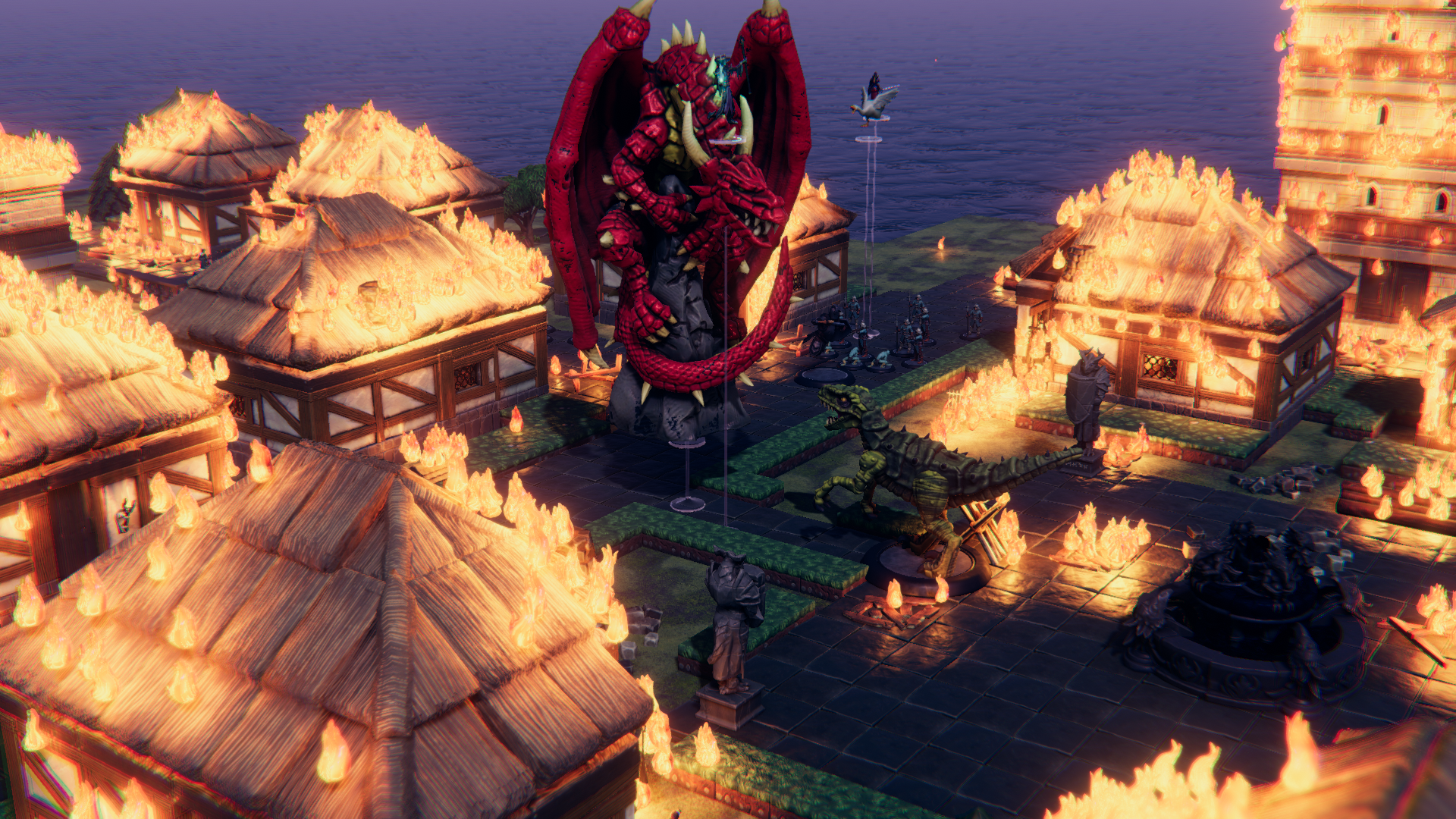
What made this fight click wasn’t one hero carrying the party. It was five very different characters, each getting a scene that was entirely theirs.
Gibson, our bard-warlock, turned the tide of the entire battle by polymorphing himself into a Tyrannosaurus rex mid-fight. I still hear “it’s morphing time” every time I think about this session. It was absurd, it was enormous, and for a few rounds it genuinely reshaped the math of the fight in our favor.
Slurp, our goblin wizard, dropped a telekinesis hit for over thirty points of damage on the high priest, easily one of the biggest single hits of the campaign. He also went down hard later in the fight and started failing death saves of his own, which meant even our nuke wasn’t safe from how bad this fight got.
Findulain, our wood elf rogue, landed a finishing sequence so vicious and precise that I described it as guided by something otherworldly, glimmers of smoke and gold trailing off every strike. Findulain was also the voice of reason later, the one who talked our barbarian down mid-rage when things got too chaotic.
Zah’bu Wolfsbane, our half-orc barbarian, had the single funniest and most heroic beat of the night. The moment Gibson reverted from T-Rex form and dropped unconscious, I cued up “I Need a Hero” and had Zah’bu shift into wolf form and sprint the length of the battlefield to reach him. My players still bring this moment up.
Balean, our human fighter, got the biggest spotlight of the session, and it cost him everything.
The Kill That Changed Everything
Midway through the fight, Balean caught Uldan the high priest off guard while he was still mounted on the dracolich. In one of the cleanest finishing moves I’ve ever narrated at my table, Balean slashed the priest’s knees out, drove a blade through his throat, and kicked his body off the dragon entirely. The archmage was dead before he hit the ground.
I hadn’t planned for what happened next, but it made perfect narrative sense in the moment: the dracolich noticed. Its rider was gone, and it turned every ounce of its fury on the fighter who’d killed him.
A Life for a Life
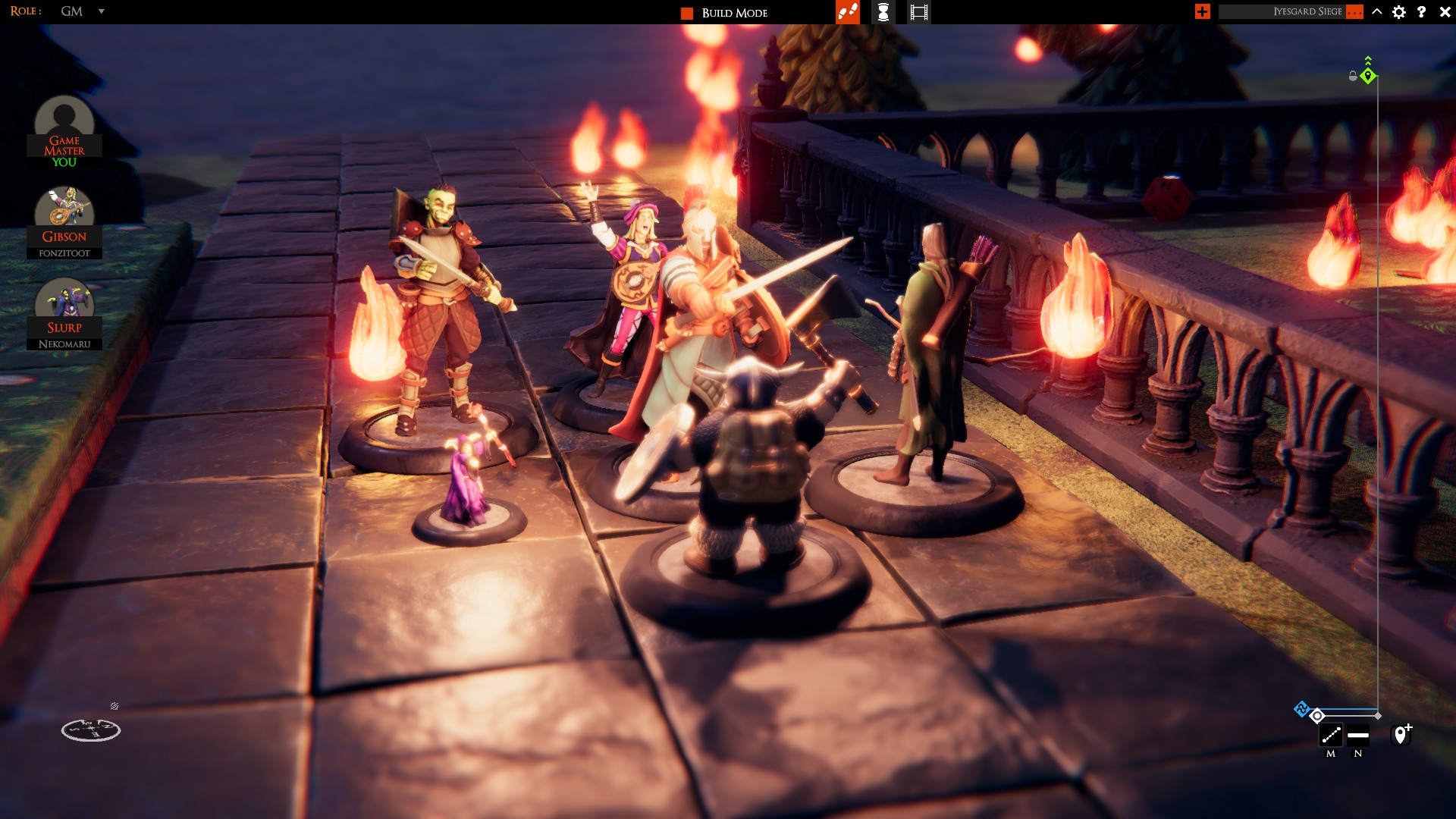
Balean didn’t survive what came after. Caught by one of the abomination’s massive hooks and battered by the enraged dracolich, he went down and didn’t get back up on his own.
I built this moment on purpose. My table runs loud, funny, and a little chaotic most sessions, which I love, but I wanted one moment this session that cut through the antics and actually landed. Watching my players go quiet, then scramble into an improvised ritual to bring him back, was one of the most genuinely moving things I’ve seen happen at my table. No spell slots left for a clean revivify, so they made their own ritual on the spot: a name written in a notebook, a palm cut open with a silver dagger, blood dripped onto the page, and a plea muttered to whatever was listening. A life for a life. It worked. Balean came back, exhausted and shaken, but alive.
The Cover Story
By the time the smoke cleared, Lord Zardias, Uldan, and the dracolich were all dead, and the party was left standing in a city still putting out fires. When Head Inquisitor Juno found them and asked whether they’d really seen a dragon overhead, one of my players didn’t miss a beat: “No, that was a tyrannosaurus rex. It suddenly appeared.” Juno didn’t ask a follow-up question. Neither did I.
What This Fight Taught Me About Running D&D
Looking back, this session worked because it let three things sit next to each other that don’t usually get to coexist: real stakes, total chaos, and a little bit of heart. My players didn’t win because I went easy on them. They won because they got creative under pressure, positioned themselves well when it mattered, made a genuine sacrifice when the dice turned against them, and caught a few lucky breaks along the way. That combination, more than any clever encounter design on my part, is what almost TPKs are made of, and it’s what makes the fights worth remembering long after the session ends.
You can watch the full session here:

